
Get an overview of how Dextramer® reagents can assist with vaccine development.
Beyond Antibodies: Developing Vaccines to Recruit a Broader Cellular Immune Response Against Infectious Diseases
Antibodies alone do not explain protective immunity
In the wake of the COVID-19 pandemic and the development of novel immunization modalities like the highly successful mRNA vaccines, variation in disease progression led researchers to broadly examine immune responses to contagion, vaccination, and breakthrough infection.
One observation made across studies was that neutralizing antibodies alone did not explain patterns in disease progression among vaccinated individuals. For example, the Janssen vaccine Ad26.COV2.S was in clinical trials in South Africa during the outbreak of the Beta SARS-CoV-2 variant. The vaccine elicited reduced neutralizing antibody protection against this new variant. However, it still prevented hospitalizations and COVID-related deaths. T-cell responses prompted by the vaccine had not changed and likely accounted for the results.¹
Further support for the protective role of T cells also came from vaccinated B-cell deficient patients who were still protected from severe COVID-19 disease progression despite being unable to produce antibodies.²
These and other corroborative studies led researchers in 2022 to recommend to the US FDA that T-cell characterization and monitoring be included in evaluating future candidate COVID-19 vaccines.³
They also reignited interest in rethinking vaccines: can a new generation of vaccines launch one or more types of immune cells down a path that boosts immunity and extends protection over years?
New vaccines should leverage the full armory of the cellular immune response
As a logical candidate to mediate long-term immunity, T cells have been explored by vaccinologists for over thirty years. In the early 1990s, the concept of a T-cell vaccine was being used in the scientific literature on autoimmune diseases4,5 and antiviral immunizations6,7,8.
Researchers have proposed using artificial peptides, modified cytokine milieu, and costimulatory receptors to boost or counteract T-cell responses or to influence their interaction with antibody-producing B cells.9,10
Studies into the efficacy of COVID-19 vaccines renewed that interest and emphasized the importance of monitoring this immune cell compartment.11
Table 1 includes a few examples.
Table 1. Studies using Dextramer® reagents to monitor cellular immunity in vaccines against infectious diseases
|
Vaccine modality |
Vaccine antigen |
Model |
Insights from experiments using Dextramer® reagents |
Citation |
|
Artificial nanomer peptides designed to bind HLA class I (HLA-A201) and II (HLA-DR) molecules |
Highly conserved S2 region of SARS-CoV-2 spike protein |
in vitro assays and BALB/c mice |
The ability of the antigen peptides to bind the HLA-DR molecule and engage CD4+ T cells was demonstrated in an assay using U-Load Dextramer® reagents. Dextramer®-stained CD4+ T cells among human PBMCs increased several fold when exposed to loaded Dextramer® reagents compared to unloaded. |
|
|
mRNA in novel nanocarriers for nasal vaccines |
Ovalbumin |
Swiss mice |
New nanocarriers were developed to efficiently deliver mRNA as a nasal vaccine. Tested in mice, the candidate formulations elicited the expansion of antigen-specific CD8+ T cells in peripheral blood and spleen, detected by staining with MHC I Dextramer® reagents. |
|
|
mRNA (Approved SARS-CoV-2 vaccines) |
Spike protein of SARS-CoV-2 |
– |
Virus-specific T cells in patients with a B-cell neoplasm who received a COVID-19 vaccine were quantified with a panel of Dextramer® reagents for spike, membrane, ORF3, and nucleocapsid proteins. The cells were also phenotyped and results were compared to matched healthy counterparts. |
|
|
Multivalent synthetic peptide with gold nanoparticle |
9 selected HLA-class I dengue peptides |
– |
An increase in dengue-specific CD8+ T cell and memory cell subsets was detected in a phase I clinical trial using eight dengue-specific MHC I Dextramer® reagents and corresponding controls. |
|
|
mRNA (BNT162b2, mRNA-1273, or ChAd) |
Spike protein of SARS-CoV-2 |
– |
The frequency of SARS-CoV-2-specific CD8+ T cells was elevated after the 1st, 2nd, and booster doses of an approved mRNA COVID-19 vaccine but gradually decreased after each vaccination. MHC I Dextramer® reagents were used to detect and sort cells for phenotyping. |
|
|
mRNA (BNT162b2 or mRNA-1273) |
Spike protein of SARS-CoV-2 |
– |
Virus-specific CD8+ T cell response to COVID-19 vaccination was quantified in multiple myeloma (MM) and chronic lymphocytic leukemia (CLL) patients using MHC I Dextramer® reagents. The expanded virus-specific CD8+ T cells observed in MM and the unchanged frequency in CLL did not correlate with antibody profiles of patients. |
|
|
mRNA (BNT162b2 or mRNA-1273) |
Spike protein of SARS-CoV-2 |
– |
MHC I Dextramer® reagents targeting Spike and restricted to 4 HLA allotypes were included in a panel to characterize antigen-specific memory CD8+ T cells in vaccinated and non-vaccinated individuals with a confirmed Omicron SARS-CoV-2 infection. Vaccinated individuals with breakthrough infections showed a robust recall response with increases in activated Spike-specific CD8+ T cells. |
|
|
mRNA (BNT162b2) |
Spike protein of SARS-CoV-2 |
– |
Used MHC I Dextramer® reagents to characterize the frequency, activation, differentiation, and persistence of vaccine-induced CD8+ T cells. Early generation of memory T cells correlated with the durability of vaccine-induced CD8+ T cell response. |
|
|
Live virus used as smallpox vaccine |
Vaccinia virus |
Germ-free (GF) and specific pathogen-free (SPF) mice |
Evaluated the response of splenic antigen-specific CD8+ T cells to vaccination and virus challenge a month after vaccination. Used MHC Dextramer® H-2Kb loaded with a Vaccinia epitope. The response was independent of subject microbiota. |
|
|
Replication-deficient lymphocytic choriomeningitis virus (LCMV)-based vaccine expressing specific antigens |
Mycobacterium tuberculosis antigens TB10.4 and Ag85B |
C57BL/6 mice |
MHC Dextramer® H-2Kb loaded with the TB10.4 epitope was used in the examination of epitope-specific T cell frequencies in blood, spleen, and lung. Vaccination increased recruitment of CD8+ T cells to lungs upon challenge. |
|
|
Adenoviral vector-based vaccine encoding a specific antigen |
Fusion protein of respiratory syncytial virus (RSV) stabilized in its prefusion conformation |
Naïve specific pathogen-free (SPF) female Balb/c mice |
MHC Dextramer® H-2Kd loaded with an immunodominant epitope of RSV F protein was used to assess the response of antigen-specific CD8+ T cells in the in spleen, blood, and lungs of mice immunized with the novel vaccine. The prefusion protein alone did not elicit a T-cell response, whereas the vector-based vaccine did. |
|
|
Manganese -doped silica nanoparticles with a viral neoantigen |
A peptide derived from the human papillomavirus 16 E7 oncoprotein |
Murine HPV tumor and skin grafting models |
Splenocytes isolated from vaccinated mice were stained with MHC I Dextramer® reagent loaded with an HPV16-E7 epitope. Antigen-specific CD8+ T cells showed a robust response compared to controls. |
The complex interaction between B and T cells
T-cell vaccines are likely the first of many vaccine innovations on the horizon. However, coaxing the immune system into mounting protection against pathogen invasion perturbs numerous interactions and feedback loops in the immune response.
Consider interactions between B cells and T cells.12 Through ligand binding and cytokine secretion, helper T cells stimulate B-cell production of specific antibodies. This support involves a competitive interaction between antigen-specific T cells and antigen-specific B cells, where the availability of T cells limits B cell selection and activation.9
At the same time, B cells play an important role in T cell responses to infection. B cells are involved in antigen presentation, modulation of T-cell differentiation and survival, and the production of regulatory and pro-inflammatory cytokines.
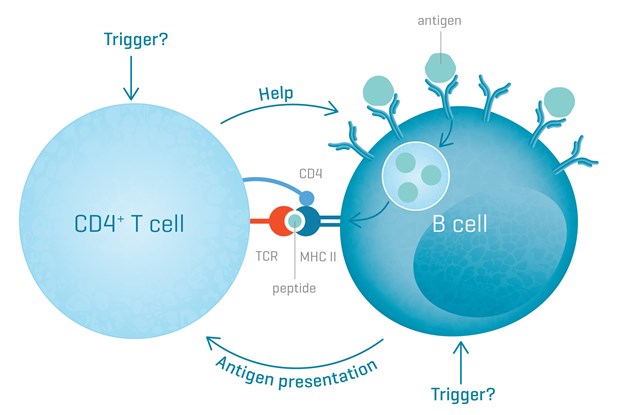
Figure 1. Two-way interactions between T cells and B cells.
The importance of immune cell monitoring in vaccine development
Monitoring immune cell populations – B cells, T cells, and more – provides a more meaningful characterization of immunity. It can help account for interactions like those between B and T cells and reveal a vaccine’s mode of action or unwanted effects. For example, a runaway interaction between B and T cells has been implicated in the development of autoimmunity.13
Furthermore, a nuanced characterization can reveal differential behavior and variation of immune cell compartments that influence the outcome of vaccination. For example, the subsets and phenotypes of cell compartments differ widely from tissue to tissue and compared to peripheral blood. The balance between defense and tolerance is particularly fine-tuned in tissues with high antigen exposure, like epithelia in lungs and intestines, compared to blood or muscle.14 Thus, the architecture of immune cell compartments at the location of immunity buildup from vaccinations may be important in mounting long-term defense against infections.15
Also, immune cell responses vary with age. The efficacy of vaccines, therefore, depends on the immune system status of a vaccinated cohort, which should be characterized to determine population segments that benefit from immunization.16
A focus on antigen-specific populations of immune cells is warranted to demonstrate that a detected cellular response is directed at the pathogen targeted by a vaccine. That detection resolution is essential for programs developing viral vector, mRNA, outer membrane vesicle, and other unconventional vaccines.
Yet, it may also prove relevant in the identification of surrogate endpoints. Antigen-specific cell signatures may correlate with conventional endpoints of long-term recovery and protection, thus allowing clinical trial timelines to be shortened and making new vaccines available quickly and cost-effectively.
Decipher adaptive immunity for more effective vaccines
Today’s technologies enable the systematic and high-resolution enumeration and phenotyping of multiple immune cell types following vaccination or infection. Furthermore, multi-cell characterization can be done in the same sample to reveal interactions between cell compartments that influence the action and success of a vaccine.
One reagent architecture, several cell types
Immudex’s Dextramer® and Klickmer® reagents are designed to monitor immune cells responding specifically to the antigen presented in a vaccine. These reagents are high-avidity multimers with a flexible dextran backbone adorned by molecules loaded with an epitope or antigen of choice. They afford highly sensitive and reliable detection of antigen-specific T or B cells.
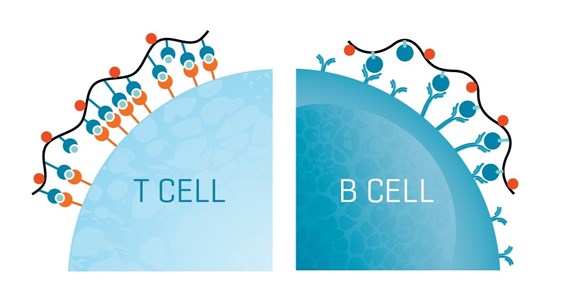
Figure 2. Highly flexible Dextramer® and Klickmer® reagents enable the sensitive detection of various immune cell types within a single sample.
Flexible incorporation into multicolor flow cytometry
Dextramer® and Klickmer® reagents can be included in multicolor flow cytometry assays with antibodies for canonical markers of cell phenotype to:
- Enumerate different cell compartments and examine changes in population proportions to test a hypothesized mode of action or assess potential explanations for variable responses to immunization.
- Monitor expansion and persistence of antigen-specific cell subpopulations and develop hypotheses about responses and interactions that can influence a vaccine’s mode of action and long-term protection.
- Examine changes in the phenotype of antigen-specific immune cells and identify when and in which tissues memory phenotypes arise.
You can work with predefined panels for commonly researched pathogens, like SARS-CoV-2, CMV, EBV, Mycobacterium tuberculosis, Borrelia, Enterococcus faecium, or Plasmodium, or select your own reagents to cover an array of epitopes of interest.
Deeper insights with single-cell resolution
Increasingly, high-throughput approaches to characterize individual immune cells are used to examine the presence, expansion, persistence, genotype, and phenotype of individual antigen-specific immune cells before and after vaccination.
Dextramer® and Klickmer® reagents can be equipped with DNA barcodes to leverage their exceptionally high avidity in single-cell analyses. These dCODE Dextramer® and dCODE Klickmer® reagents are available for use with the BD Rhapsody™ Single-Cell Analysis System and the 10x Chromium Single Cell Gene Expression System.
Workflow for the simultaneous single-cell analysis of antigen-specific B and T cells
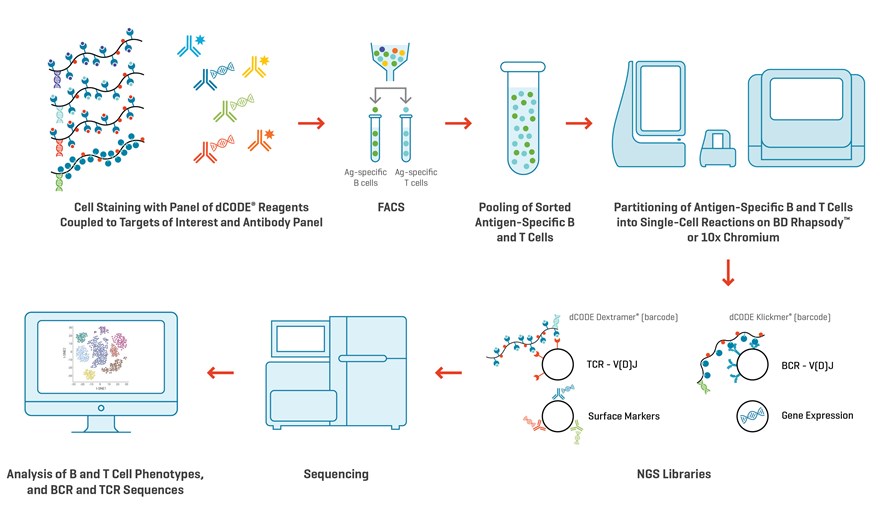
Figure 3. Workflow to examine clonotypes of antigen-specific B and T cells using multiplexed dCODE® reagents on the 10x Chromium Single-Cell Analysis System or the BD Rhapsody™ Single-Cell Analysis System.
Visit our blog post on the simultaneous analysis of B cells and T cells in a single sample for an overview of how dCODE® reagents are used to characterize antigen-specific B and T cells using single-cell multi-omics.
A new world calls for new vaccines
Vaccinations have been a successful pillar of public health measures to prevent and even eliminate communicable diseases around the globe. Nonetheless, immunizations are still missing or offer only partial protection against numerous known and emerging infectious agents. Breaking this seeming stalemate in vaccine development requires looking beyond antibody titers as a measure of efficacy.
Instead, understanding the process of long-term immunity development requires examining additional players in the immune response – different T cells, B cells, antigen-presenting cells, and more –to create new and better vaccines.9
References
-
Alter, G. et al. 2021. Nature 596: 268. https://doi.org/10.1038/s41586-021-03681-2
-
Zonozi, R. et al. 2023. Science Translational Medicine 15: eadh4529. https://doi.org/10.1126/scitranslmed.adh4529
-
Bhowmik, S. 2022. “Experts urge FDA to include T cell responses when evaluating COVID vaccines” https://www.news-medical.net/news/20220811/Experts-urge-FDA-to-include-T-cell-responses-when-evaluating-COVID-vaccines.aspx (accessed July 2024)
-
Lohse, A. W. et al. 1990. Eur. J. Immunol. 20: 2521. https://doi.org/10.1002/eji.1830201126
-
Elias, D. et al. 1991. Proc. Natl. Acad. Sci. USA 88: 3088. https://doi.org/10.1073/pnas.88.8.3088
-
Aichele, P. et al. 1990. J. Exp. Med. 171: 1815. https://doi.org/10.1084/jem.171.5.1815
-
Schulz, M. et al. 1991. Proc. Natl. Acad. Sci. USA 88: 991. https://doi.org/10.1073/pnas.88.3.991
-
Kast, W. M. et al. 1991. Proc. Natl. Acad. Sci. USA 88: 2283. https://doi.org/10.1073/pnas.88.6.2283
-
Ritzau-Jost, J. and Hutloff, A. 2021. Vaccines (Basel) 9: 1074. https://doi.org/10.3390/vaccines9101074
-
Sun, L. et al. 2023. Signal Transduc. Target. Ther. 8: 235. https://doi.org/10.1038/s41392-023-01471-y
-
Zollner, A. et al. 2021. EBioMedicine 70: 103539. https://doi.org/10.1016/j.ebiom.2021.103539
-
Petersone, L. et al. Front. Immunol. 9: 01941. https://doi.org/10.3389/fimmu.2018.01941
-
Shlomchik, M. J. et al. 2001. Nat. Rev. Immunol. 1: 147. https://doi.org/10.1038/35100573
-
Zhou, X. et al. 2022. Front. Immunol. 13: 1069344. https://doi.org/10.3389/fimmu.2022.1069344
-
Kuraoka, M. et al. 2022. Sci. Immunol. 7: eabn5311. https://doi.org/10.1126/sciimmunol.abn5311
-
Booth, J. S. and Toapanta, F. R. 2021. Vaccines (Basel) 9: 24. https://doi.org/10.3390/vaccines9010024
Related Resources

Vaccine Development App Note
Explore how Dextramer® technology can uncover immune responses and transform vaccine development.
Discover MHC Dextramer® Reagents
Sensitively quantify target immune cells by flow cytometry with a strong signal-to-noise ratio.
dCODE Dextramer® Reagents
Gold standard MHC multimers for analysis of antigen-specific T cells by NGS or single-cell multi-omics.
Interested in Exploring the Cellular Immune Response to Infectious Disease Vaccines?
Fill in the form and one of our dedicated specialists will get in touch with you shortly.