
Date: Wednesday, 3 June 2026
Time: 5 PM CET / 11 AM ET / 8 AM PT
Duration: 30 minutes + Q&A
Location: Online
The ability to precisely identify and characterize antigen-specific T cells is fundamental to advancing our understanding of infection, autoimmunity, and cancer immunotherapy. However, the vast diversity of the T-cell receptor (TCR) repertoire makes finding these "needles in the haystack" a significant technical challenge.
In this upcoming webinar, Prof. Dr. med. Kilian Schober, Heisenberg-Professor for T-Cell Immunology at FAU Erlangen-Nürnberg, will discuss cutting-edge methodologies for the high-throughput identification of human T cells. The session will focus on the use of DNA-barcoded pHLA multimers to bridge the gap between antigen specificity and deep phenotyping.
 Register Now
Date: Wednesday, 3 June 2026
Time: 5 PM CET / 11 AM ET / 8 AM PT
Duration: 30 minutes + Q&A
Location: Online
The Schober Lab is dedicated to unraveling the molecular orchestration of T-cell responses. By synergizing DNA-barcoded multimer technology with single-cell sequencing, the team provides a multidimensional view of T-cell function and the structural nuances of TCR-pMHC interactions.
Key Learning Objectives:
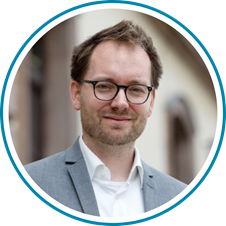
Kilian Schober is a leading expert in the field of T-cell immunology. His research group focuses on the development of innovative tools to study the TCR repertoire and the dynamics of antigen-specific T-cell responses. By utilizing advanced technologies like DNA-barcoded Dextramer® reagents, his lab aims to decode the rules of T-cell recognition to better design vaccines and T-cell-based therapies.